Categories
Blog Sustainability

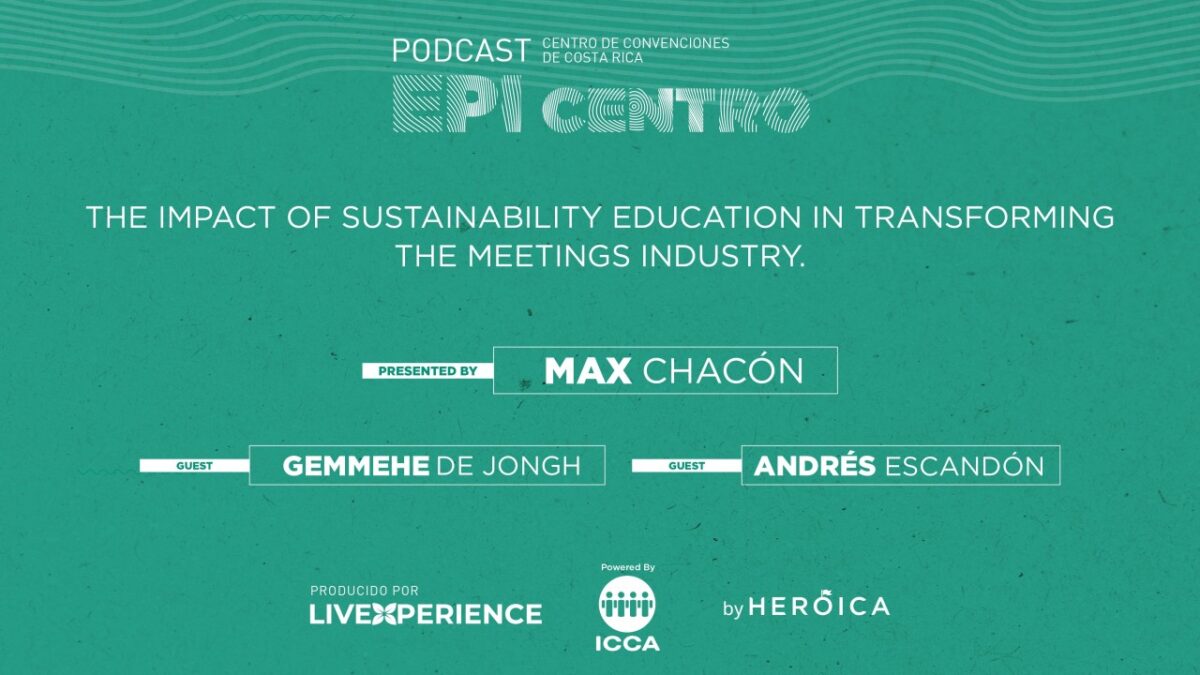
The impact of sustainability education in transforming the meetings industry.

Linkedln Link

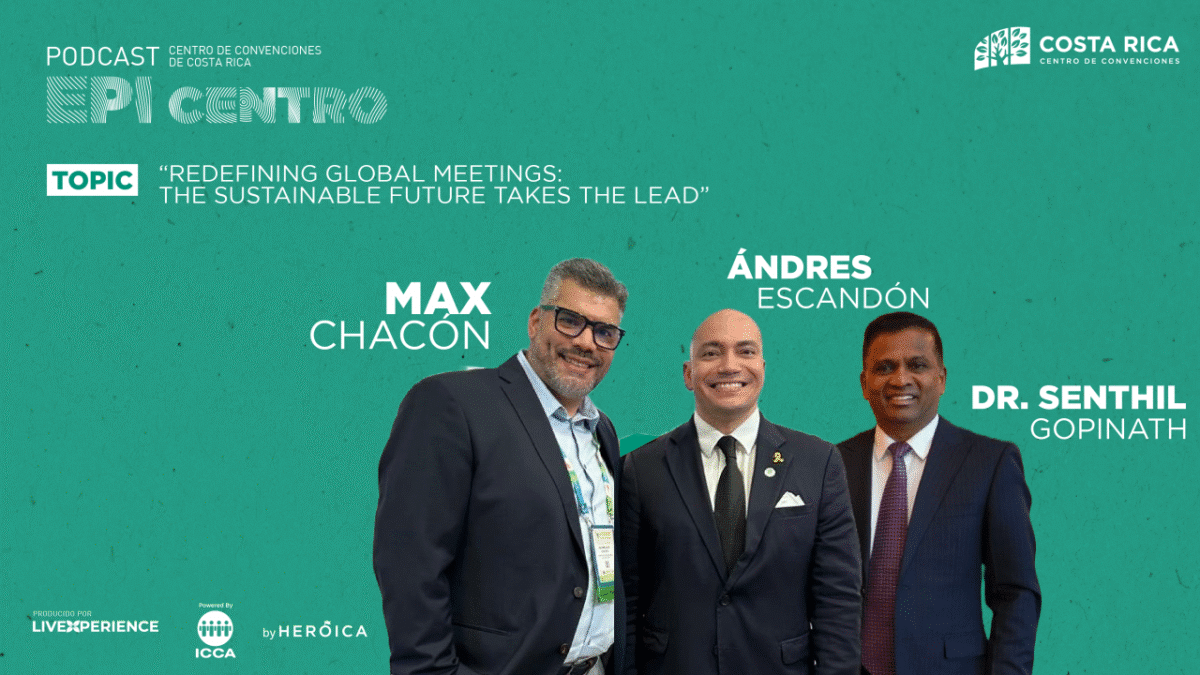
A deep analysis of the new episode of Epicentro, the podcast of the Costa Rica Convention Center. In a global context where sustainability has ceased to be a differentiator and has become a requirement, the meetings industry is undergoing a profound transformation. Every event, every congress, and every gathering is evaluated not only by its outcome, but by the impact it leaves on the environment, on communities, and on the planet.

You are invited to reflect on the role that education plays in building a more conscious, more resilient industry that is better prepared for today’s challenges. A sector in evolution: “If we want to ensure the survival of this industry, we must change how we do business, how we travel, and how we meet.” Sustainability is no longer an aspirational concept. It is a key criterion in decision-making for destinations, venues, associations, and event organizers.

Make sure every action aligns with the SDGs. However, there is a clear gap between awareness and action. Although 78% of planners recognize sustainability as a strategic factor (according to the Global Meetings & Events Forecast 2024), many still do not know how to implement sustainable practices in a realistic and measurable way. This is where education plays a transformative role:

  • It enables a true understanding of what it means to be sustainable.
  • It offers methodologies to measure and mitigate impacts and prepares professionals to lead structural change.
  • It inspires new ways of designing events that are better aligned with the SDGs.

The conversation addresses a fundamental duality in the sector: On the one hand, it is true that events generate emissions, especially from transportation. On the other, they have immense potential to create positive legacies that far outweigh the initial environmental impact. Such legacies can take the form of new strategic alliances, academic developments, knowledge transfer, local economic stimulus, capacity building, or cultural and community shifts.

“The positive impact of an event can be ten times greater than its negative impact if it is designed with purpose.”

Costa Rica as an example of education applied to sustainability. During the conversation, the work of the Costa Rica Convention Center is highlighted: it has managed to turn practices such as the neutralization of 100% of its operational emissions into real learning spaces—not only for internal teams, but also for organizers, suppliers, and international visitors. This shows that sustainability does not have to be a speech: it can become a living, tangible, and replicable experience. Latin America: a territory with transformative potential.

Build a training plan by role: sales, operations, suppliers, and client. Latin America has unique attributes that position it as a key player in the future of international meetings: incomparable biodiversity, a strong cultural identity, creativity, and a marked vocation for collaboration. But for this potential to materialize, structured education is needed to move from intention to execution. Many destinations still don’t know where to begin, and that is precisely why education is the most important starting point.

Where should destinations and venues start?

Experts agree on a practical roadmap:

  1. Diagnose the starting point. Many destinations already carry out sustainable practices without recognizing them as such. Identifying them allows you to build from there.
  2. Create a 1–2 year roadmap. Small steps, but measurable and consistent.
  3. Integrate continuous training. Sustainability is not learned once; it is built through practice, updates, and dialogue.
  4. Learn from other industries. Sectors such as chemicals, technology, or design have already made significant advances; their learnings can inspire the MICE sector.
  5. Measure economic and social impact. Sustainability and ROI must go hand in hand to ensure credibility and staying power.

The final call: “If you haven’t started, start today. If you’ve already started, don’t stop. And share your passion with others.” Because, in the end, sustainability not only transforms events: it transforms people, teams, organizations, and entire cities.

To learn more, listen to the full episode of EPI Centro on Spotify.

#Newsletter | “We are leaders in neutralizing 100% of the operational emissions from our events”

Discover how we are transforming the Meetings Industry towards a more sustainable future. Follow our newsletter and stay informed!
Categories
Blog Sustainability

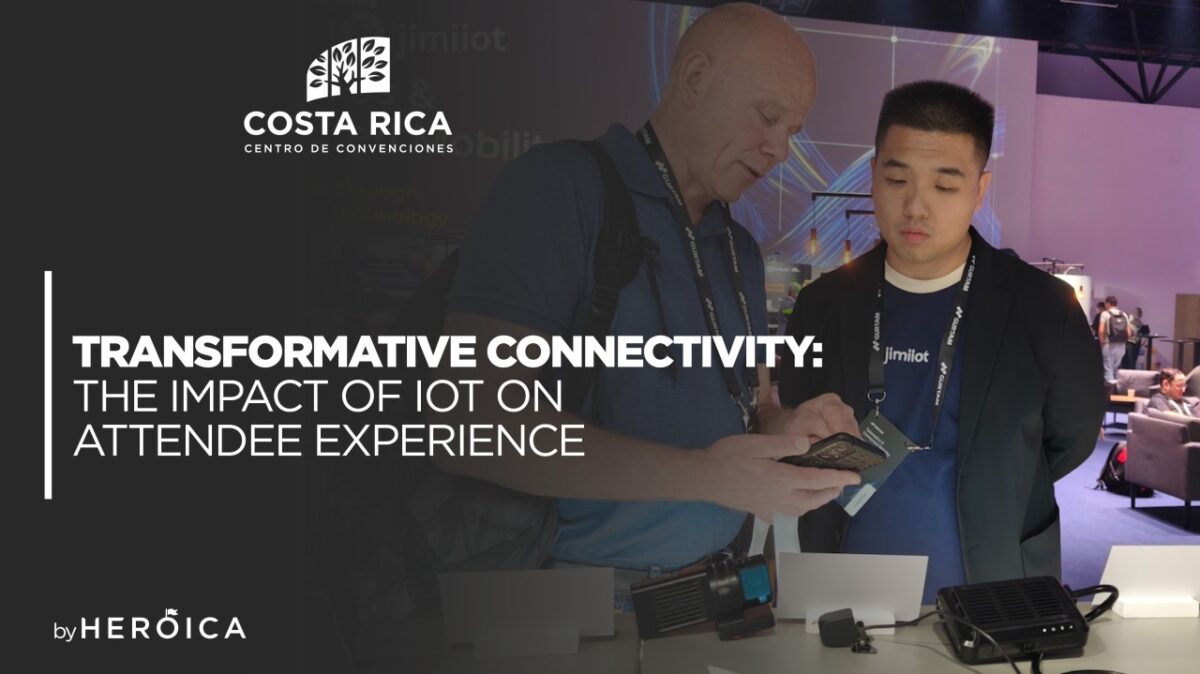
Internet of Things (IoT): Connectivity and Efficiency in the Events Industry

Linkedln Link

In today’s world, technology has become an essential driver for improving efficiency and attendee experience across various sectors — and the events industry is no exception. One of the emerging technologies that is most transforming the way events are organized and managed is the Internet of Things (IoT). This technology, which connects devices and systems through a network, enables more efficient and personalized event management. In this article, we explore how IoT is enhancing connectivity and operational efficiency in events, along with its key applications and real-world examples of implementation.

What Is the Internet of Things (IoT)?

The Internet of Things is a system of interconnected devices and objects that can automatically collect, exchange, and analyze data. In the context of events, this means that equipment and devices can communicate with each other in real time to monitor and control essential operational aspects — from temperature and humidity to security and crowd flow. Thanks to IoT, event organizers can optimize resources, improve attendee experience, and ensure safer and smoother operations.

Real-time data enables automatic adjustments that enhance comfort and satisfaction.

Key Applications of IoT in the Events Industry

1. Environmental Monitoring: Real-Time Control

One of the main benefits of IoT in events is its ability to monitor and control environmental conditions in real time. Smart sensors can measure temperature, humidity, and air quality, ensuring optimal conditions for attendees and smooth event operation. In addition, IoT technology allows for automatic adjustments to heating, ventilation, and air conditioning (HVAC) systems without human intervention, improving energy efficiency and reducing operating costs.

Real Example: At Expo 2020 Dubai, IoT sensors were used to monitor temperature and air quality across different pavilions and areas of the event. The sensors collected real-time data and automatically adjusted the climate control systems to maintain comfortable conditions for attendees while optimizing energy consumption — contributing to a more sustainable and efficient operation.

2. Crowd Management: Optimizing Attendee Flow

Crowd management is a common challenge in large events such as conferences, exhibitions, and concerts, where the flow of people can create bottlenecks and increase safety risks. Thanks to IoT, organizers can track attendee movement in real time through sensors placed at entrances, exits, and corridors. This allows them to optimize space distribution, manage capacity dynamically, and redirect attendees to less crowded areas.

Real Example: The Tomorrowland Music Festival in Belgium has implemented IoT technology to monitor crowd flow during its massive events. By using sensors at entrances and key areas, organizers can detect areas of high concentration and redirect attendees toward clearer spaces in real time. This IoT application has helped enhance the audience experience and ensure safety at high-attendance events.

3. Enhanced Security: Detecting Unusual Behavior and Automatic Alerts

Security is a top priority at any event, and IoT can play a key role in improving overall safety. Through smart cameras, motion sensors, and connected devices, it is possible to monitor attendee behavior and detect unusual activity — such as large gatherings or suspicious movements. If risk situations are detected, the system can automatically send alerts to security teams for quick and effective intervention.

Real Example: At the Mayo Clinic Healthcare Conference, organizers implemented IoT sensors in critical areas to monitor attendee flow and detect unusual behavior. If a group of people remained too long in one area or a crowd started to form, the system automatically sent an alert to security staff. This technology improved emergency response capabilities and increased attendee safety.

Benefits of IoT in Events

  1. Resource Optimization: IoT devices allow organizers to better manage event resources, such as temperature, lighting, sound, and other systems, ensuring everything operates efficiently.
  2. Improved Attendee Experience: By optimizing logistics, IoT enhances attendee comfort and safety, providing a smoother and more enjoyable experience.
  3. Sustainability: By optimizing energy use and reducing unnecessary resources, IoT contributes to more sustainable events — an increasingly important factor for environmentally conscious organizers and attendees.
  4. Enhanced Security: Real-time detection of unusual behavior and rapid emergency response make IoT a key ally for event safety.

IoT is transforming the event industry by connecting devices and systems for more efficient and personalized management.

The Future of IoT in Events

IoT is far from being a static technology; its evolution continues to expand, and its integration into events is expected to deepen in the coming years. As IoT devices become more sophisticated and accessible, their ability to improve event connectivity, efficiency, and sustainability will increase even further. Moreover, with the arrival of technologies like 5G, IoT communication speeds will rise, enabling even more efficient real-time connectivity.

In the future, events are expected to become even smarter — with IoT systems dynamically adapting to the changing needs of attendees and organizers, creating fully personalized and optimized experiences.

The Internet of Things is transforming the events industry by offering smarter, more efficient, and more connected solutions. With applications in environmental monitoring, crowd management, and security, IoT enhances the experience of both attendees and organizers. By integrating interconnected devices and systems, events can become more sustainable, safer, and better managed — taking event organization to an entirely new level.

Event organizers who adopt these technologies will be better positioned to deliver exceptional experiences and respond more effectively to attendee needs, while optimizing resources and ensuring the safety and well-being of everyone involved.

Sources:

  1. Expo 2020 Dubai. (2024). “Smart Climate Control Using IoT Technology at Expo 2020.” Retrieved from expo2020dubai.com.
  2. Tomorrowland Festival. (2024). “Managing Crowd Flow with IoT Technology.” Retrieved from tomorrowland.com.
  3. Mayo Clinic Healthcare Conference. (2024). “Enhancing Event Security Using IoT.” Retrieved from mayoclinic.org.

Newsletter | “We are leaders in achieving 100% operational emissions neutrality across all our events.”

Categories
Blog Sustainability

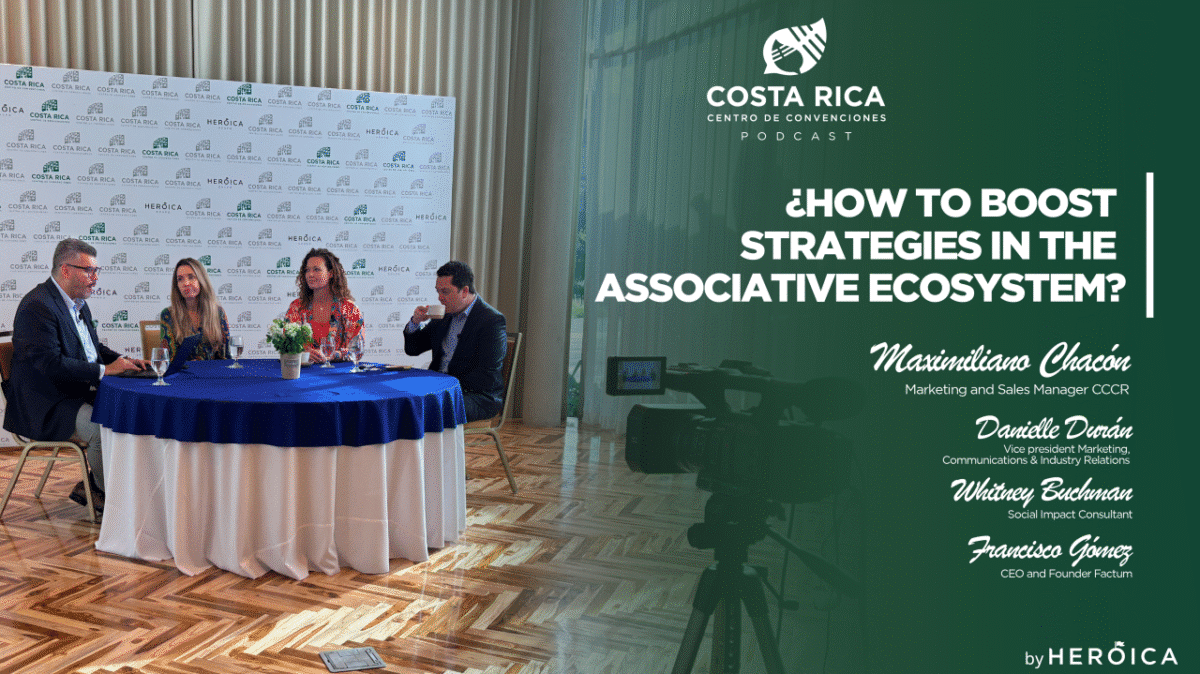
The Global Meetings Industry Is Undergoing a Redefinition

Linkedln Link

Meetings, congresses, and international events are no longer just spaces for professional or academic exchange, but key platforms to advance sustainability agendas, diplomacy, and inclusive economic development.

One of the major current challenges is the need to integrate sustainability standards and ESG (Environmental, Social, and Governance) frameworks in a structured and coherent way into event planning, operations, and legacy. Achieving this requires coordinated efforts among industry associations, government actors, and venue operators. Global initiatives led by organizations such as ICCA, EIC, and JMIC aim to generate strategic alignment that facilitates the adoption of best practices, promotes the measurement of real impacts, and accelerates industry transformation.

Sustainability Must Be at the Core of Every Strategy in the Meetings Industry

Sustainability is no longer optional or cosmetic; it is a fundamental condition for the future viability of destinations and the MICE sector (Meetings, Incentives, Conferences, and Exhibitions). This involves rethinking everything from carbon footprint and resource consumption to social inclusion, cultural respect, and the long-term legacy events leave on host communities.

In this context, Latin America holds unique competitive advantages. Its biodiversity, cultural heritage, and strong community networks provide a solid foundation to build a distinctive and powerful value proposition. However, there are still gaps in how the region communicates, articulates, and projects these strengths internationally. Countries like Costa Rica have successfully led the implementation of sustainable practices in meetings tourism, proving that profitability can be combined with environmental and social responsibility. The challenge now is to scale this model and consolidate a cohesive regional narrative positioning Latin America as a sustainability benchmark in events.

Latin America Has the Potential to Lead with Its Biodiversity and Cultural Wealth

This also requires greater government involvement. Public policies, strategic investments, and regulations are essential pieces to drive structural transformations. Dialogue between the meetings industry and policymakers must be strengthened, moving beyond traditional spaces into the political and economic spheres of countries. It is vital for authorities to understand the cross-cutting value of this sector: its capacity to boost local economies, attract knowledge, foster innovation, and generate international relationships.

The coming years will demand concrete results. It is imperative to move from speeches to action plans, with clear roadmaps, measurable objectives, and monitoring mechanisms. In this regard, initiatives such as “Vision 2030” for Latin America are emerging, seeking to establish a strategic framework with specific indicators guiding the development of a more sustainable, resilient, and integrated meetings industry.

Events Not Only Connect People, They Also Drive Global Agendas

Sustainability must stop being seen as a long-term goal and become an immediate competitive tool. Destinations that embrace this vision today will gain advantages not only in reputation but also economically. Clients, organizers, and participants increasingly value ethical coherence, positive impact, and genuine commitment to the environment.

Ultimately, the meetings industry faces a historic opportunity. By becoming a driving force behind environmental, social, and diplomatic agendas, it can establish itself as a true engine of global change. The key lies in recognizing this role, embracing it responsibly, and building partnerships to make it possible. Latin America has much to contribute, and the time to raise its voice and lead is now.


Max Chacón

Commercial Manager, Costa Rica Convention Center

Dr Senthil Gopinath

CEO, ICCA

Andrés Escandón

Regional Director, ICCA Latin America and the Caribbean

Costa Rica Convention Center

Founder and CEO of Factum

Categories
Blog Sustainability

The Professionalization of the Associative Sector: A Key to a Sustainable Future

Linkedln Link

Times have changed, and with them, people’s expectations of the organizations that represent them. In a world marked by increasingly rapid social, technological, and generational transformations, the associative sector faces an unavoidable challenge: to professionalize in order to remain relevant and sustainable.

For years, many associations operated under a traditional, hierarchical model, where meetings were mostly one way exchanges. Today, that structure no longer works. People are no longer satisfied with simply attending to listen they want to actively participate, contribute, and co-create.

A mission without structure is just an intention; a structure without purpose is merely routine.

This change is not superficial; it is structural. New generations demand real participation. They seek spaces where their voices matter, where they can build something together not just follow instructions. This collaborative approach offers a powerful opportunity to revitalize how associations function.

One of the biggest forces driving this change is the millennial and younger generations. They are not content with simply “being part” of an organization they want to feel that what they do has meaning, that their time and effort contribute to something greater.

True leadership in associations listens, includes, and transforms.

One topic that still generates resistance is the idea that a nonprofit association can and should generate income. But it is time to break that taboo. Having a social mission does not mean rejecting financial sustainability. Recognizing the difference between members and clients, and offering tailored value propositions to each, allows associations to diversify revenue streams without losing sight of their institutional purpose. The key lies in balancing impact with sustainability.

An organization’s sustainability does not contradict its mission; it supports and projects it.

Professionalization in the associative sector can no longer be viewed as optional or something for the distant future. It is an urgent necessity. Those who embrace this change by adopting best practices, incorporating technology, working collaboratively, and aligning their actions with their purpose will be in a strong position to grow, strengthen their communities, and lead meaningful transformation.


Max Chacón

Commercial Manager, Costa Rica Convention Center


Danielle Duran Baron, MA, MBA, FASAE, CAE, AAiP

Vice President of Marketing, Communications, and Industry Relations


Whitney Buchmann

Social Impact Consultant


Francisco Gomez

Founder and CEO of Factum

Categories
Blog Sustainability

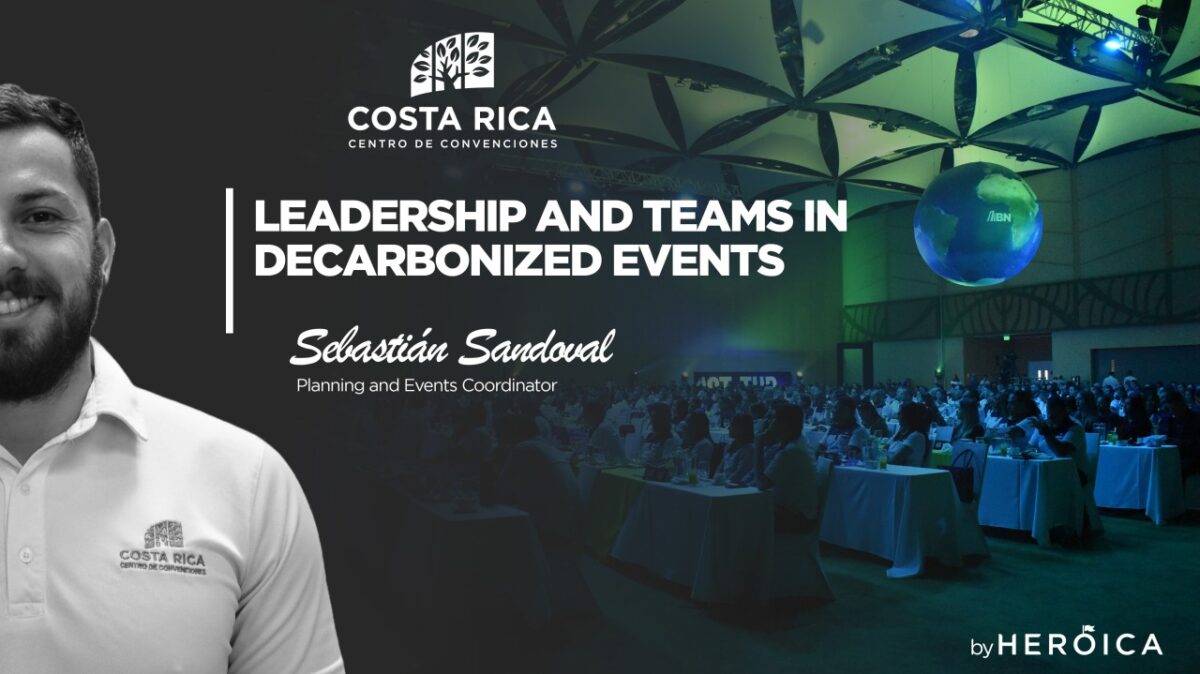
Effective Coordination of Multidisciplinary Teams for Decarbonized Events

Linkedln Link

In the dynamic and demanding environment of the meetings industry, sustainability has gone from being a complementary aspiration to becoming a cross-cutting axis that defines organizational excellence. In the case of the Costa Rica Convention Center (CCCR), this transformation is manifested in a deep institutional commitment to decarbonization and environmental regeneration. In this context, the effective coordination of multidisciplinary teams is presented not only as an operational necessity, but as a fundamental strategic component for achieving truly sustainable events. The integration of diverse work areas under a common vision allows every detail of the event, from planning to coordination, to ensure proper waste management.

Sustainability in events begins with teams that think and act in concert..

One of the main challenges in coordinating decarbonized events lies in harmonizing the efforts of departments with very different functions. Planning, infrastructure, audiovisual, gastronomy, and other department teams must communicate and act as a single unit without losing sight of their specific responsibilities. This functional interdependence requires a strong culture of collaboration, reinforced by clear processes, effective communication, and shared environmental goals. When teams are not aligned, operational contradictions arise: decisions made by one department can neutralize or hinder the sustainable progress of another. Therefore, it is essential to promote joint training spaces and interdepartmental meetings where a shared understanding of what a decarbonized event entails is built.

The CCCR has faced this challenge in an exemplary manner by adopting the CarbonClear Events By Heroica methodology, an innovative tool that ensures that 100% of the events held at the venue have a solid and measurable decarbonization focus. This methodology requires the coordinated participation of all the teams involved, from the selection of suppliers to the definition of the type of transportation offered to attendees. Each decision is evaluated based on carbon footprint reduction criteria. The result is not only a cleaner event in environmental terms, but also a more coherent, ethical, and appreciated experience for participants.

Every shared decision among teams is a step toward events with a positive impact and a minimal footprint

The success of this type of coordination is not achieved solely with methodological tools; it also requires conscious leadership that inspires, listens, and facilitates. Event coordinators have the responsibility to become true integrators of visions, promoting dialogue between disciplines, anticipating risks, and aligning schedules, budgets, and objectives. Furthermore, they must be sensitive to including all event stakeholders, from technical suppliers to staff, in the sustainable culture they seek to promote. Only in this way can they ensure that sustainability is not a decorative layer, but a transversal and profound operational logic.

Effective coordination turns team diversity into a force for decarbonization.

As the meetings sector moves toward more regenerative models, it becomes clear that sustainability is not the responsibility of a single team, but of the entire organization. Effective coordination of multidisciplinary teams is, therefore, an essential condition for achieving decarbonized events that not only minimize their impact but also leave a positive impact on the environment and on people. The case of the CCCR demonstrates that, with a shared vision, robust methodology, and genuine collaboration, it is possible to rethink traditional events and transform them into a catalyst for systemic change toward a more sustainable society.

Sebastián Sandoval Loría

Planning and Events Coordinator

Centro de Convenciones de Costa Rica

Categories
Blog Sustainability

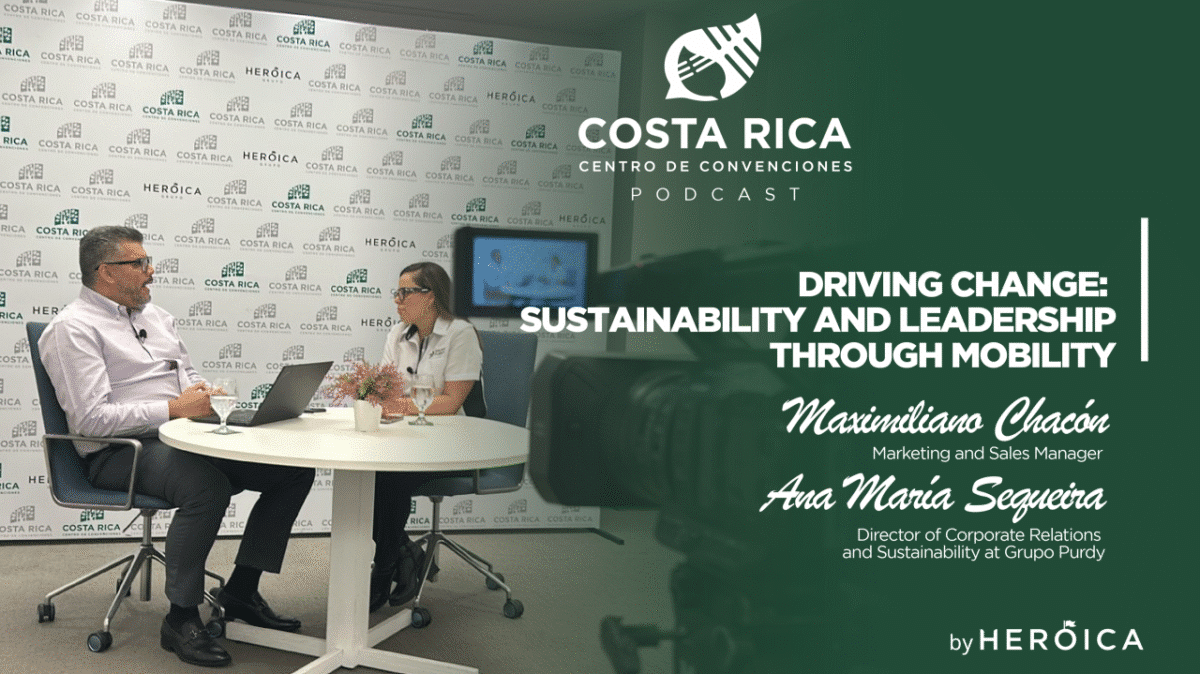
Responsible Mobility: A Path to Business Sustainability

Linkedln Link

In a world where sustainability has become more of an urgent need than an alternative, the way we move, both individually and as a business, plays a fundamental role in building a cleaner, fairer, and more efficient future. Responsible mobility is not limited solely to reducing emissions; it entails a cultural, educational, and structural transformation that affects all levels of society. This is how Ana María Sequeira, sustainability leader at Grupo Purdy Motor, put it during a conversation on the Costa Rica Convention Center podcast.

Sustainability doesn’t begin with grand speeches, but with everyday decisions like the way we drive.

With a track record spanning more than 15 years, Sequeira has led key processes to make Grupo Purdy a benchmark in sustainable mobility. What began as isolated philanthropic actions such as donations or volunteering events evolved into a deep integration of sustainability into the business strategy. This structural change was only possible thanks to the commitment of senior management, which from the beginning embraced an ambitious vision: to become the first automotive company in Costa Rica to achieve carbon neutrality.

The key, according to Sequeira, is to stop viewing sustainability as a task for the corresponding department and turn it into a cross-cutting focus that spans sales, auditing, operations, and all organizational levels. This transition has been gradual and has required an ongoing process of internal education. “When we started, we had 700 employees; today we have more than 2,000, and everyone must understand their role in this vision,” he notes.

Responsible mobility is not just an environmental goal: it is a commitment to safety, efficiency, and equity.

A fundamental part of this transformation has been education, both within and outside the company. The Purdy Drive program, for example, seeks to teach users the correct way to drive their vehicles, beyond simply learning how to operate them. It’s about changing habits, reducing emissions, and promoting safer and more efficient driving. “We encounter many inherited myths, such as putting the car in neutral on downhill slopes to save fuel, when in reality this can be counterproductive,” explains Sequeira.

However, the commitment doesn’t end at the company. One of the most important challenges has been understanding that sustainable mobility is a problematic issue. Therefore, Grupo Purdy led the first national study on safe mobility, compiling data from various institutions and making it available to the public as a tool for joint action. This initiative has served as the basis for new alliances between companies, media outlets, and public entities, demonstrating that collaborative work amplifies the impact of any individual effort.

When a company leads with purpose, it can transform habits, inspire alliances, and generate an impact beyond its sector.

Responsible mobility also requires a more inclusive approach. We share the roads with bicycles, pedestrians, motorcyclists, and public transport. To think that the road is only for private vehicles ignores the complexity of the environment. For this reason, Sequeira insists that road safety and sustainability must be approached from a comprehensive perspective, with each stakeholder assuming their part with responsibility and respect.

In conclusion, sustainability should not be an isolated goal, but rather a way of life and decision making. For business leaders, the first step begins by looking inward: how their employees travel, what risks they face on their journeys, and what solutions can be implemented within the organization itself. Because when a company commits to cleaner, safer, and more equitable mobility, it’s not just the business that wins; society and the planet win.

Max Chacón

Commercial Manager of the Convention Center

Ana María Sequeira Sibaja

Director of Corporate Relations and Sustainability at Grupo Purdy

Costa Rica Convention Center

Categories
Blog Sustainability

Food Safety Assurance as Part of Quality Standards in Sustainable Events

Linkedln Link

In today’s context, where sustainability and decarbonization are positioned as strategic pillars for transforming the meetings industry, food safety takes on a new level of importance. And what is food safety? It’s not just about complying with health regulations, but also understanding our responsibility as food handlers to ensure that food is free from physical, chemical, and biological hazards at levels that cannot harm consumers. It involves integrating this practice as a key component of a quality management system that prioritizes environmental and social responsibility.

Food safety is not just a requirement it’s a commitment to health and the planet.

In sustainable events, every decision from menu planning to food handling can significantly impact both the health of attendees and the event’s ecological footprint. Producing food at large-scale events inevitably involves the use of multiple inputs: detergents, disinfectants, water, energy, packaging materials, and more. While these are necessary to ensure food safety, excessive or unregulated use can result in waste, pollution, and operational overcosts. Therefore, to achieve conscious use, food handling staff must be informed about the positive impacts of responsible practices to foster their adoption.

Other ways to associate food safety with sustainability include the use of effective microorganisms in organic waste treatment, the use of scientifically-backed biodegradable chemicals that minimize harm to flora and fauna, and the conscious use of raw materials to avoid waste and make the most of by products.

Sustainability and food safety are not parallel paths, but one shared road to responsible excellence.

Linking quality and food safety principles with sustainability strategies is not only desirable, but imperative. When approached together, it promotes more rational and conscious use of resources, optimizes processes, reduces waste, and enhances customer perception of a service committed to collective well-being.

This holistic approach aligns fully with the CarbonClear Events by Heroica methodology, implemented at the Costa Rica Convention Center. Its goal is to ensure that 100% of hosted events adopt an active decarbonization approach. Within this methodology, specific mechanisms are in place to control inputs, measure waste, and monitor quality standards, enabling informed and sustainable decision-making throughout all event phases. In the culinary realm, this translates into actions like selecting local and organic products, designing low-impact menus, and implementing strict food handling and disposal protocols without compromising food safety or guest experience.

Every consciously served meal is a step toward safer, more ethical, and sustainable events.

Ultimately, ensuring food safety within a sustainable quality model is not just a responsibility, but an opportunity to raise the standard of events and position the country as a regional leader. The meetings industry should be seen as a driver of change, and its commitment to responsible practices—uniting quality, health, and sustainability—is a tangible expression of that transformative potential. Moving toward a culture of events where every detail matters, from what’s served to how it’s prepared, is part of building a more resilient, efficient, and ethical future.

Glen Bonilla

Coordinator BPM

Centro de Convenciones de Costa Rica

Categories
Blog Sustainability

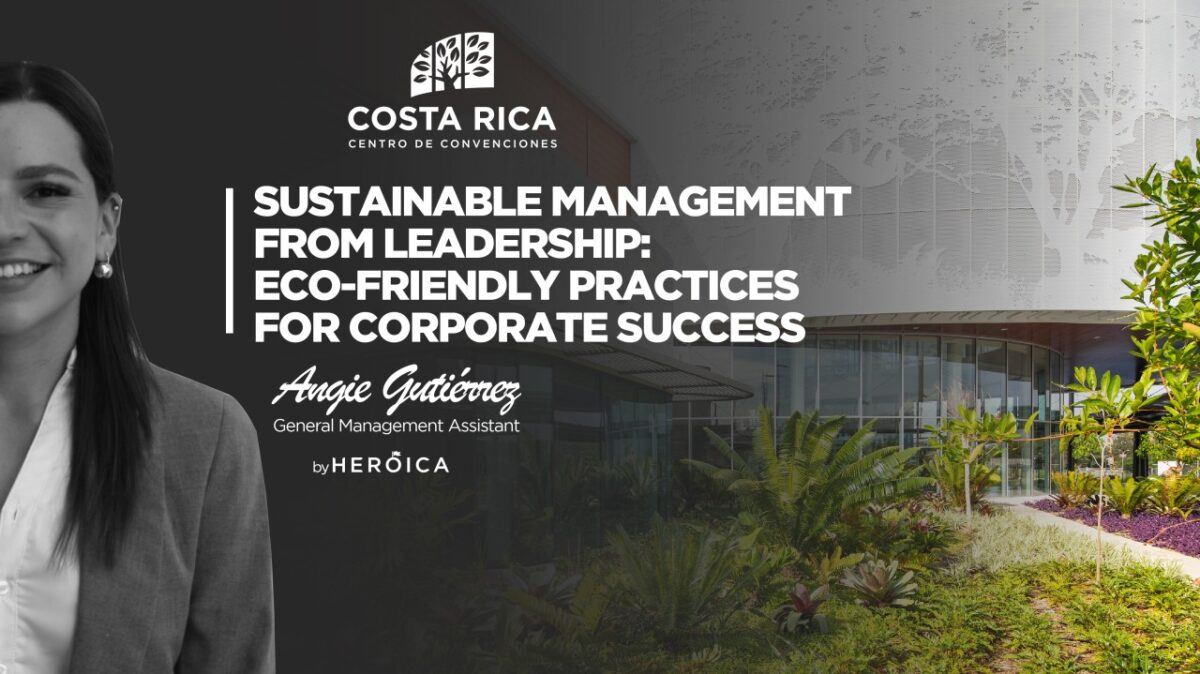
Sustainability from the Management Office: Strategies for a Greener Operation

Linkedln Link

Sustainability is not just a strategic commitment of the Costa Rica Convention Center but a philosophy that should permeate every action, from event planning to administrative management in the executive office. In a world where environmental responsibility is a global priority, it is essential that all areas within the organization—including those with a more operational or strategic support focus—integrate sustainable practices into their daily operations. General Management Assistance plays a key role in ensuring that sustainability is not just a corporate goal but a reality in every process, every decision, and every action implemented from the company’s leadership.

Sustainability is not a trend; it is a responsibility.

The impact of the management office on an organization’s sustainability goes beyond strategic decision-making; it lies in the ability to integrate green practices into daily administration. Reducing paper consumption through document and process digitization, optimizing energy resource use in the office, and implementing sustainable management systems in meeting and event planning are just a few ways management assistance can directly contribute to decarbonization. The fact that the Costa Rica Convention Center uses the CarbonClear Events By Heroica methodology is a clear example of how every department, including management assistance, must align with strategies that reduce the carbon footprint across all operations.

From the perspective of management assistance, maintaining and reinforcing the Costa Rica Convention Center’s sustainability essence means not only supporting the organization’s vision but also strengthening an internal culture where every team member actively engages in the transformation toward a greener future. Every digitalized document instead of a printed one, every efficiently managed resource, and every meeting organized with sustainable criteria contribute to the company’s environmental objectives. Likewise, promoting a responsible consumption culture within the team, encouraging the use of reusable materials in the office, and ensuring administrative practices align with sustainability standards are key actions for consolidating a responsible management model.

A greener future starts with the decisions we make today.

The challenge for General Management Assistance is to act as a bridge between corporate strategy and the practical execution of the organization’s sustainable values. This involves not only coordinating processes with an ecological vision but also influencing how daily decisions are managed within the company. As the meetings industry moves toward more sustainable models, it is imperative that every action, no matter how small, contributes to building a business environment that is truly committed to sustainability. In this regard, the entire Costa Rica Convention Center team has the opportunity to become an agent of change, ensuring that management reflects the organization’s environmental values and commitments.

Small actions, when multiplied, create a lasting impact.

In conclusion, sustainability is not just a concept applied on a large scale to events and corporate strategies; it must also be a daily practice in every office, every administrative process, and every operational decision. Through management assistance, it is possible to lead by example—optimizing resources, promoting the use of clean technologies, and ensuring that every aspect of internal management aligns with the vision of a greener future. The key is to maintain a proactive mindset and recognize that every action counts in building a truly sustainable company.

Angie Valeria Gutiérrez Alfaro

General Management Assistant

Centro de Convenciones de Costa Rica

Categories
Blog Sustainability

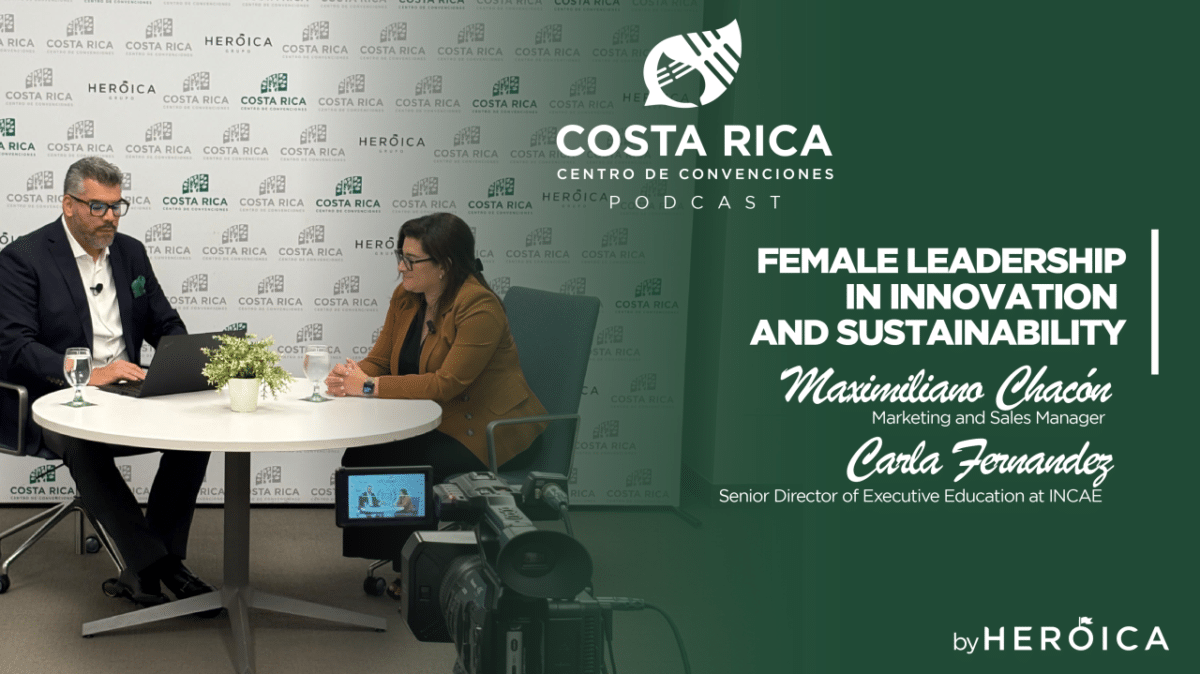
The Role of Female Leadership in Sustainability and Innovation

Linkedln Link

In a constantly changing world,where technology and sustainability have become fundamental pillars of business development, innovation emerges as a key tool for tackling the challenges of climate change.

To explore this topic, we have the presence of Carla Fernández Corrales, Senior Director of Executive Education and INCAE Online, as well as an Assistant Professor at INCAE Business School. With a PhD in Business Administration and extensive experience in innovation and digital transformation, Carla shares her vision on the intersection of technology, sustainability, and the economy.

Innovation is the bridge between the present and a sustainable future; crossing it requires courage and vision.

According to Michael Porter and Mark Cramer in their article Creating Value, published in Harvard Business Review in 2011, companies that integrate sustainability into their strategy gain a competitive advantage by generating both economic and social value. Carla Fernández highlights that we live in an era of rapid change, where the pandemic and the widespread adoption of artificial intelligence have radically transformed the way we operate. “We cannot continue doing things the same way we always have. We need to adapt what we’ve learned to the new demands of our environment,” she emphasizes.

Technological acceleration is evident in how we interact with artificial intelligence, data science, and digital process automation. The speed at which AI has advanced—from winning chess tournaments to diagnosing diseases—demonstrates that innovation is the path to addressing the climate crisis. The application of these technologies in early environmental problem detection, resource optimization, and the creation of sustainable solutions is essential for a resilient future.

There is no progress without change, nor change without the willingness to challenge the status quo.

Female leadership also plays a crucial role at the intersection of innovation and sustainability. According to a 2023 UN Women report, women tend to lead with a collaborative and impact-driven approach, making them key agents in building a more sustainable future. Carla Fernández points out that, while individual differences exist, studies show that women tend to lead in a more inclusive and people-centered way—an essential characteristic in times of uncertainty.

In an environment where experimentation and adaptability are vital, diverse thinking allows us to better tackle challenges. “A homogeneous group is unlikely to find innovative solutions to complex problems. Diversity and the ability to listen to different perspectives are key to driving meaningful change,” Fernández notes.

Technology is the tool, but human awareness is the true solution to climate change.

Addressing climate change requires a combination of innovation, diverse leadership, and adaptability. Technology offers powerful tools to develop sustainable solutions, but it is the human factor that will determine the real impact of these initiatives. The key lies in fostering collaboration, learning, and the willingness to embrace change to build a more sustainable and equitable future.

Max Chacón

Marketing and Sales Manager

Carla Fernandez Corrales

Senior Director of Executive Education at INCAE

Costa Rica Convention Center

Categories
Blog Sustainability

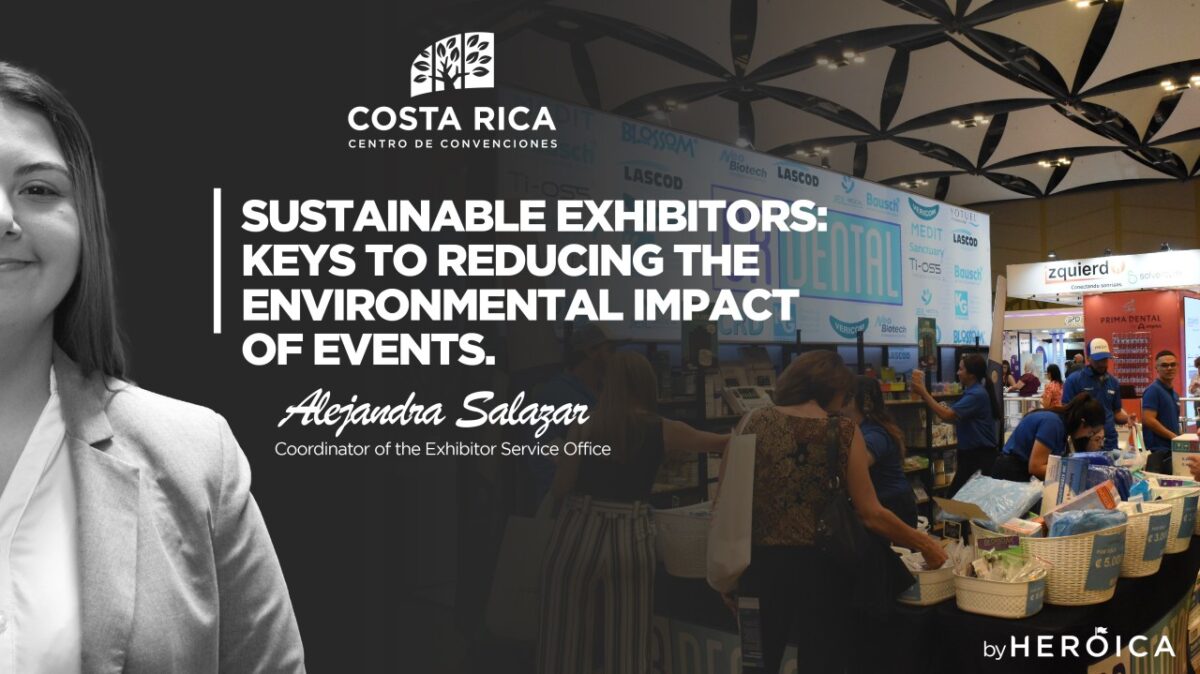
The Environmental Impact of Exhibitors and How to Mitigate It Through Planning

Linkedln Link

In the world of events and exhibitions, exhibitors are essential for creating memorable experiences and generating business opportunities. However, their participation also has a significant environmental impact, mainly due to the use of materials, packaging, energy consumption, and waste generation. Therefore, to make these events more sustainable, it is essential that the planning of exhibitor participation includes measures to minimize this impact without compromising the effectiveness of the exhibitions.

Sustainability is not an obstacle to innovation but its best ally.

From the Exhibitor Assistance Office (EAO), several strategies can be implemented to optimize resources, improve logistics, and promote more sustainable management. A key aspect is early resource planning. If exhibitors book services and materials within the convention center in advance, unforeseen issues that could generate unnecessary expenses in transportation and packaging are avoided. Additionally, choosing the venue’s internal services, which are already designed with sustainability criteria, helps reduce waste by eliminating external packaging and optimizing the distribution of supplies. In this way, not only is operational flow improved, but the carbon footprint of material and structure transportation is also reduced.

Another major challenge is the amount of waste generated in exhibition spaces, ranging from plastics and packaging materials to cardboard and brochures. To counteract this, organizers and the Exhibitor Assistance Office can promote the use of reusable and recyclable materials. It is also useful to offer sustainable alternatives that allow exhibitors to reduce waste without compromising the quality of their presentations. Implementing an efficient waste management system with well-placed recycling stations and clear signage is essential to ensure that waste is properly managed.

A well-planned event not only leaves a mark in memory but avoids leaving one on the planet.

In addition to environmental sustainability, accessibility is an essential component of any responsible event. All attendees, regardless of their physical or cognitive conditions, should be able to enjoy an inclusive experience. To achieve this, it is important that exhibitors also collaborate in creating suitable spaces for people with reduced mobility, providing interaction options for individuals with visual or hearing disabilities. This commitment goes hand in hand with social sustainability and enhances the overall experience for all participants.

Among sustainability strategies, it is relevant to mention methodologies such as CarbonClear Events By Heroica, which seeks to reduce event emissions through resource optimization, efficient energy use, and the implementation of sustainable solutions in every area of the event. This also includes exhibitor management, allowing for a reduced environmental impact of each activity and encouraging exhibitors to adopt responsible practices.

Reducing waste does not decrease quality; it adds awareness.

In summary, well-thought-out planning and the adoption of sustainable practices are fundamental to reducing the environmental impact of events. From the Exhibitor Assistance Office, the use of responsible materials can be promoted, waste can be minimized, and logistics can be optimized to lower the carbon footprint. At the same time, ensuring accessibility not only enriches the experience of all attendees but also reinforces the commitment of all stakeholders to social sustainability. With the implementation of methodologies such as CarbonClear Events By Heroica, we can continue advancing towards more sustainable and responsible events, benefiting both the environment and the community.

Alejandra Salazar Padilla

Coordinator of the Exhibitor Service Office

Centro de Convenciones de Costa Rica